Your Ultimate Guide to Hiking Boots: Features and Fit
Okay, here is a SEO-optimized article focusing on "Hiking Boots", written naturally for a website audience:
Selecting the perfect hiking boots isn't just about buying shoes; it’s about finding reliable companions for your outdoor adventures. The right pair provides essential support, protection, and stability on varied terrain, significantly impacting your comfort and safety on the trail. With many options available, understanding key features is the first step toward making an informed choice.
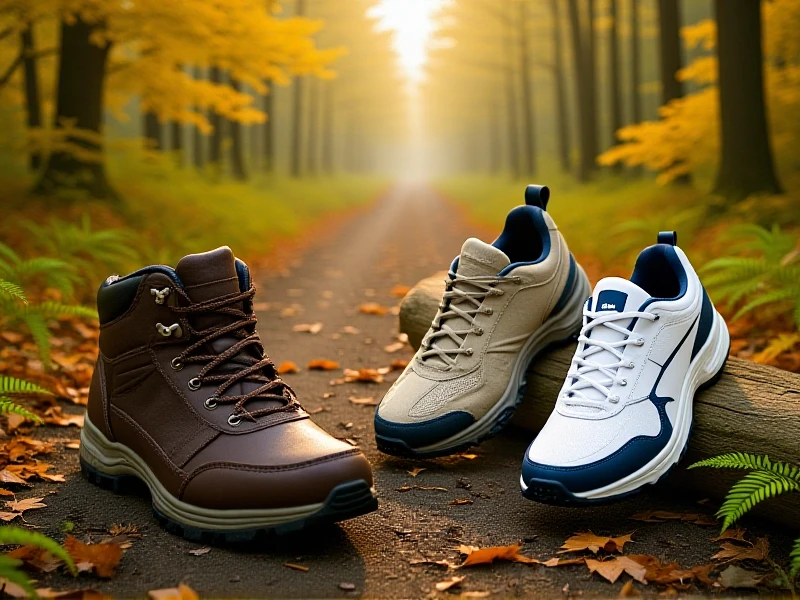
One of the most critical decisions involves the hiking boots' support level. Low-cut models (trail shoes) offer maximum flexibility and lightweight movement for well-maintained paths and day hikes. Mid-cut hiking boots provide enhanced ankle support crucial for carrying a backpack or traversing uneven, rocky trails. Choosing the appropriate cut directly influences balance on challenging terrain and helps prevent ankle injuries.
Equally vital is waterproofing. While standard boots handle dry conditions well, excursions near streams, morning dew, or unpredictable weather demand reliable wet-proofing. Most waterproof hiking boots use advanced membranes (like GORE-TEX®) that effectively repel external moisture while maintaining internal breathability, ensuring dry, comfortable feet throughout your hike. For hot, arid climates, non-waterproof, highly breathable boots are often the preferred choice.
The soul of any great boot lies beneath: the outsole and midsole. Look for outsoles made from durable compounds like Vibram® rubber, featuring aggressive, multi-directional lugs designed for exceptional grip on everything from loose gravel to wet rocks and muddy slopes. A quality midsole, often EVA or polyurethane foam, absorbs shock effectively and helps prevent plantar fatigue during long hikes, making each step more comfortable mile after mile.
Above the sole, the boot's upper material determines durability and performance. Tough full-grain leather offers outstanding longevity and protection but requires breaking in and is heavier. Split-grain leather combined with nylon provides a lighter, more breathable, and often quicker-drying option, though potentially less abrasion-resistant than full leather. Synthetic mesh uppers are the lightest and most breathable but offer less long-term durability in harsh conditions.
Hiking boots must fit impeccably! Always try them on later in the day when feet are naturally slightly swollen, wearing the thick hiking socks you intend to use. Ensure ample room to wiggle your toes upwards and sideways – they shouldn't jam the front when walking downhill. Stand on an incline mimicking a decline to check for heel slippage; more than a quarter-inch can lead to painful blisters. My personal tip? Visit a reputable outdoor retailer like REI for knowledgeable fitting advice tailored to your specific foot shape and hiking goals.
Investing time in finding the ideal hiking boots tailored to your terrain, activities, and unique feet pays huge dividends on the trail. Combining the right support, waterproofing, sole technology, and—above all—a perfect fit transforms challenging hikes into enjoyable journeys, letting you fully embrace the wonders of nature with every confident step. Your great adventure deserves great gear; start with the foundation: your boots.