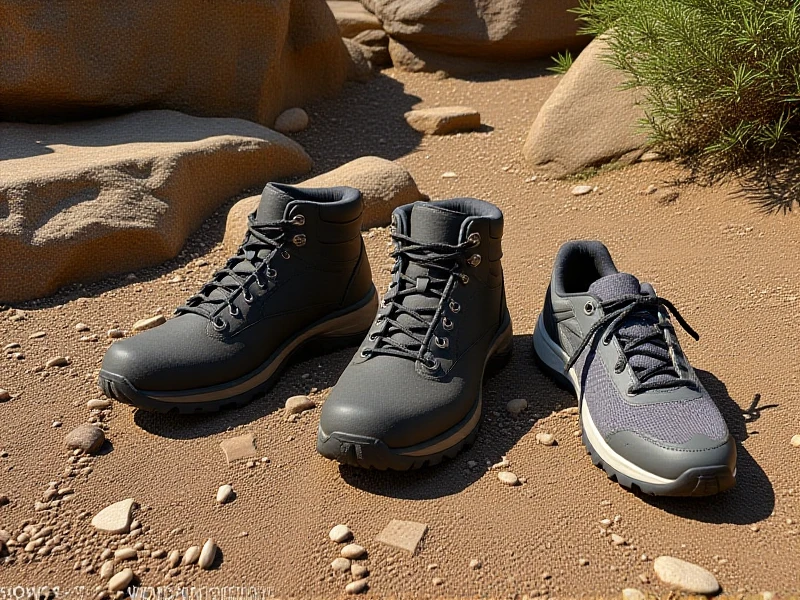
Top 5 Must-Have Features in Your Next Pair of Trekking Shoes
Choosing the right trekking shoes can make or break your outdoor adventure. Whether you're tackling rugged mountain trails or exploring forest paths, your footwear is your foundation. Here are the top 5 features to prioritize when selecting trekking shoes for optimal comfort, safety, and performance:
-
Superior Traction & Outsoles: Look for aggressive, multi-directional lugs made from durable rubber (like Vibram®). Deep grooves channel mud and water, while stiff lugs provide stability on rocky terrain. Proper grip prevents slips on wet roots or loose gravel, especially on steep ascents and descents.
-
Ankle Support & Stability: While low-cut shoes offer flexibility, full ankle collars (mid or high-top) provide crucial support on uneven ground, reducing strain and preventing rolls. A supportive heel counter locks your foot in place, enhancing stability with every step, especially under heavy loads.
-
Robust Waterproofing & Breathability (GORE-TEX or similar): Weather can change fast. Membranes like GORE-TEX keep feet dry during stream crossings or sudden downpours while allowing sweat vapor to escape ("breathability"). Seam-sealed construction is key. For dry climates, highly breathable non-waterproof options exist.
-
Durable Uppers & Protective Toe Caps: Trekking shoes endure abrasion from rocks and roots. Opt for abrasion-resistant materials like nubuck leather or reinforced synthetics. Seam-sealed construction is key.
-
Responsive Cushioning & Supportive Midsoles: Long hikes demand impact protection. EVA or PU midsoles absorb shock, while technologies like rock plates shield feet from sharp rocks. Look for adequate arch support matching your foot type (neutral, overpronator) to prevent fatigue and plantar fasciitis. Don't sacrifice stability for overly soft cushioning.
-
Secure & Adjustable Fit: A precise fit prevents blisters and hot spots. Features include padded, gusseted tongues to keep debris out, multiple lace eyelets allowing customized lockdown, and reinforced toe caps for protection. Ensure ample toe room (about a thumb's width) to prevent bruising on descents. Always try shoes with hiking socks!
Beyond the Basics: Consider weight – lighter shoes increase agility on long distances. Breathable mesh enhances comfort in warm climates, though with less water resistance. Break in any trekking shoes thoroughly before embarking on major trips.
Investing in trekking shoes with these features ensures your focus stays on the breathtaking vistas, not foot pain. Prioritize protection, support, and comfort to conquer every trail confidently. Your next great adventure starts from the ground up!