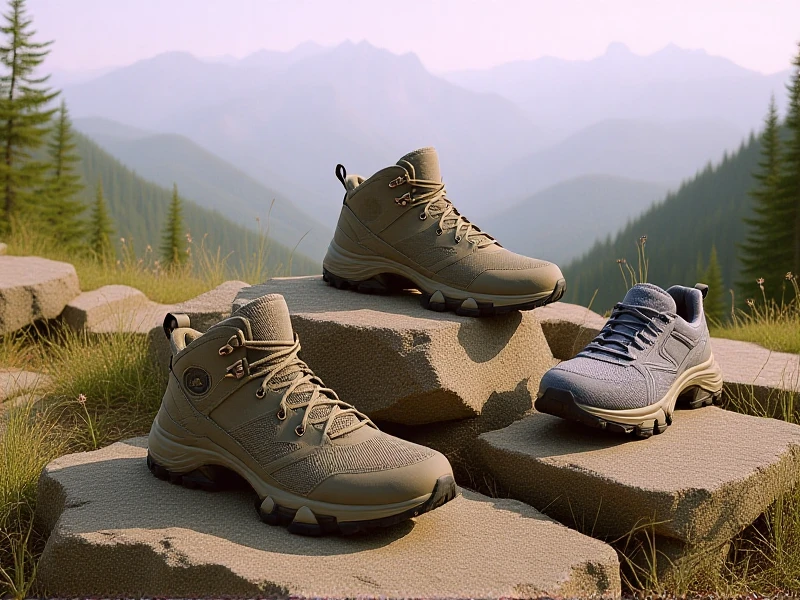
Hiking Boots: Your Ultimate Guide to Choosing the Perfect Pair
Ready to conquer new trails but struggling with blisters or feeling unstable? Or maybe you're overcoming steep hills or tricky terrain? Often, the problem lies below – in the boots. The right hiking boots aren't just footwear; they're your foundation for safe, comfortable, and enjoyable adventures. Let's break down how to find your perfect match.
-
Know Your Terrain & Purpose (The Foundation): Are you tackling manicured forest paths, scrambling over rocky mountainsides, or backpacking a multi-day trek? Boot categories exist for a reason:
- Hiking Shoes (Low-Cut): Lightweight, flexible, and great for short, easy trails on well-maintained paths. Offer minimal ankle support but maximize agility.
- Hiking Boots (Mid-Cut): The sweet spot for most users. Offer vital ankle support on uneven trails, carry manageable loads comfortably, and boast better protection and stability than shoes. Ideal for day hikers and moderate backpacking.
- Backpacking Boots (High-Cut): Rugged, stiff, and supportive for heavy loads (30 lbs) and demanding, off-trail terrain. Maximum ankle support and underfoot protection on extended trips over rocks and roots. Prioritize durability over lightness.
-
Waterproofing: Essential, Especially Beyond Sneakers: While breathable mesh uppers in summer non-waterproof models offer ventilation, waterproof boots are crucial for most conditions – think morning dew, muddy paths, river crossings, or unexpected rain showers. Gore-Tex liners are the gold standard, offering reliable waterproofing and breathability. For scorching, dry climates where wet feet aren't a risk, non-waterproof options offer superior airflow.
-
Support & Comfort Are Non-Negotiable: Forget looks; fit is king. Your heel must lock firmly without slippage. Toes should have wiggle room (about a thumb's width) to prevent downhill bashing. Arch support should match your foot profile naturally. Crucially, prioritize a supportive sole. A robust shank (usually fiberglass or nylon in the midsole) provides torsional rigidity, stopping your foot from twisting awkwardly on uneven rocks. Look for aggressive Vibram or comparable outsoles for exceptional traction on wet rocks, mud, and loose dirt. This stability prevents fatigue and injury mile after mile. Pro Tip: Always try boots on in the afternoon (feet swell) with the socks you'll hike in. Walk on an incline/decline if possible at the store. Experts at outdoors shops are invaluable for proper fitting – don't skip this step!
Investing time in choosing the right hiking boots pays dividends on the trail. They shield you from the elements, protect ankles on challenging terrain, cushion your steps over miles, and dramatically reduce fatigue. Focus on matching the boot to your intended terrain and load weight, prioritize waterproofing for versatility, and ensure impeccable fit and rock-solid support. Lace up boots that fit like a glove and feel supported from heel to toe, and confidently tackle everything from local trails to the rugged backcountry! Your next great adventure awaits. Find your perfect hiking boots today.